A rare opportunity exists for today’s energy industry to provide an affordable, reliable energy source and simultaneously reduce its environmental footprint.
Hello, renewable natural gas.
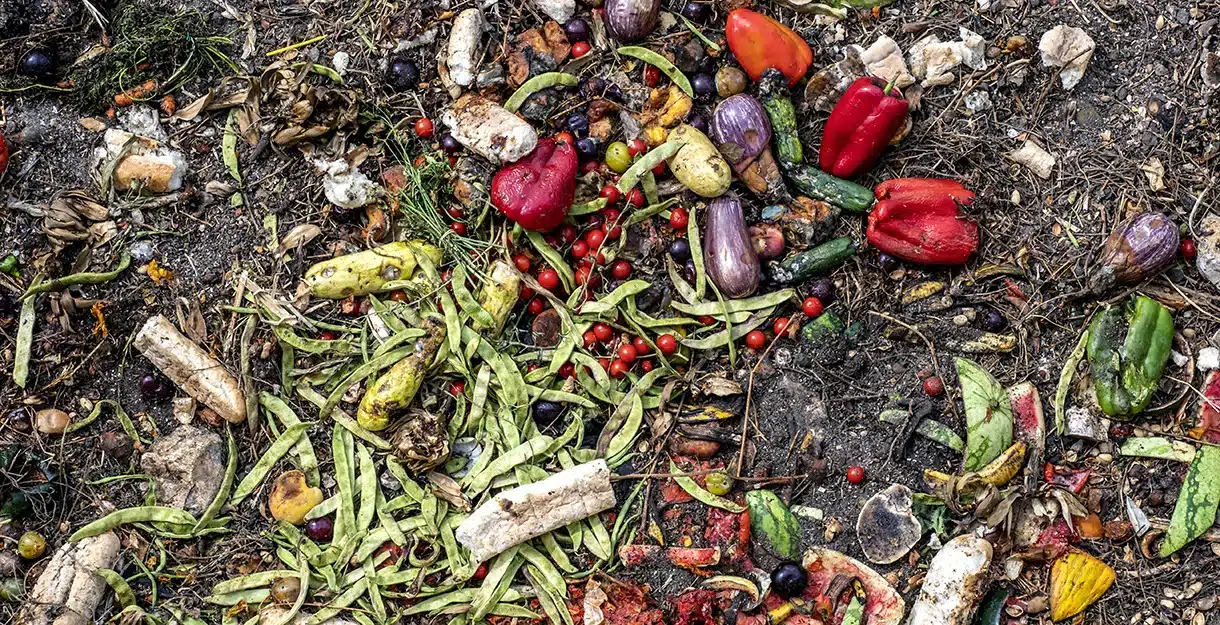
When organic matter decomposes, it produces methane. It happens with the decay of trees in the forest, garbage in a landfill, waste on a farm or vegetable peels in your backyard compost pile. Technology has improved today to the point that companies can capture that methane and process it into pipeline-quality gas — renewable natural gas, or RNG.
While certainly there’s a benefit to capturing more natural gas, the big win is that this process prevents methane from being released into the atmosphere. According to the Environmental Protection Agency, methane accounts for about 20% of global emissions, even though it is short-lived compared to carbon dioxide. So preventing its release and turning it into a usable fuel source is a win-win for the environment, consumers and energy companies.
Energy companies need to be innovative while continuing to provide reliable and affordable energy to customers.
It’s a timely innovation as the public and investors are demanding responsible behavior from firms across all sectors. Investors and consumers are paying close attention to the energy industry’s ESG — the environmental, social and governance factors that show which firms are concerned about their overall impact and are staying true to their core principles. By encouraging and supporting a diversity of renewable energy, companies can stay rooted to their values through innovation and increase our options, as they have with renewable natural gas.
Utilities know customers are eager to join the renewable energy movement but may be unable to access or afford solar or wind energy. It’s just another reason firms are investing in the technology to process methane into RNG and why some are already offering sources of RNG to their customers.
In Pennsylvania, UGI is slated to take delivery of RNG from the Keystone Landfill in Dunmore. It would be the largest RNG supply point in the country to date. It is estimated that using this RNG is equivalent to removing emissions from more than 67,000 passenger vehicles over a year. The firm also is in a joint venture to develop food waste digester projects to produce RNG, with the first anticipated to be operational by 2023. The resulting RNG will be injected into the regional distribution system.
Since last year, Philadelphia Gas Works has worked with a nonprofit energy cooperative to offer customers gas derived from landfills. It doesn’t require investment in new infrastructure, and it adds to the amount of affordable and reliable energy flowing through U.S. pipelines.
As the country moves toward a transition to cleaner energy sources and electrification, energy companies need to be innovative while continuing to provide reliable and affordable energy resources to customers. Traditional energy resources are still required and renewables such as wind and solar are an important part of the energy puzzle, but they are intermittent and location-specific.