

Association Management
Now that you’ve hung up the phone, it’s time to question the rules
Digital survey platforms built with a phone survey’s rigid rules won’t provide the data marketers need
Digital surveys shouldn’t rely on yesterday’s methodology
We recently made the case for ditching increasingly antiquated phone surveys in favor of digital models. Landline use is down and, while 97% of Americans own a cellphone, 8 in 10 of them won’t answer if they don’t recognize the number.
But beware: Most digital survey formats are square pegs shoved into round holes. They are rooted in rigid methodology or tied to existing research standards on how to word questions and explanations. Those methods worked for phone surveys, but they are outdated and severely limit the nimbleness and quality of data that digital surveys inherently provide.
Yesterday’s survey questions in today’s format won’t produce the data you need.
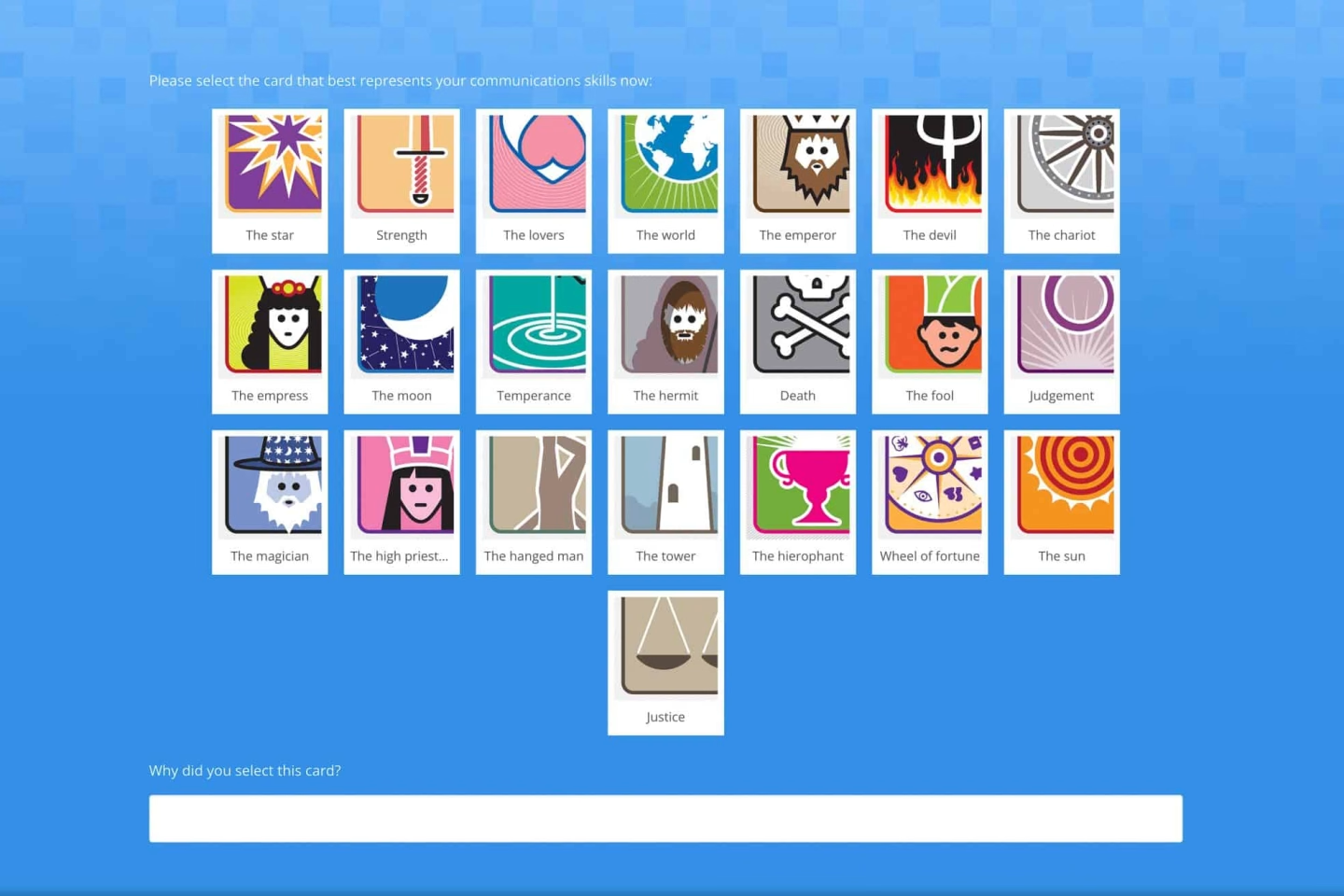
Our proprietary digital platform offers an array of visual and targeting tools that stodgy survey standards can’t accommodate. Because this digital survey space is so new, there isn’t a rulebook to follow for how to ask questions online. So we’re creating those digital survey standards through proven use.
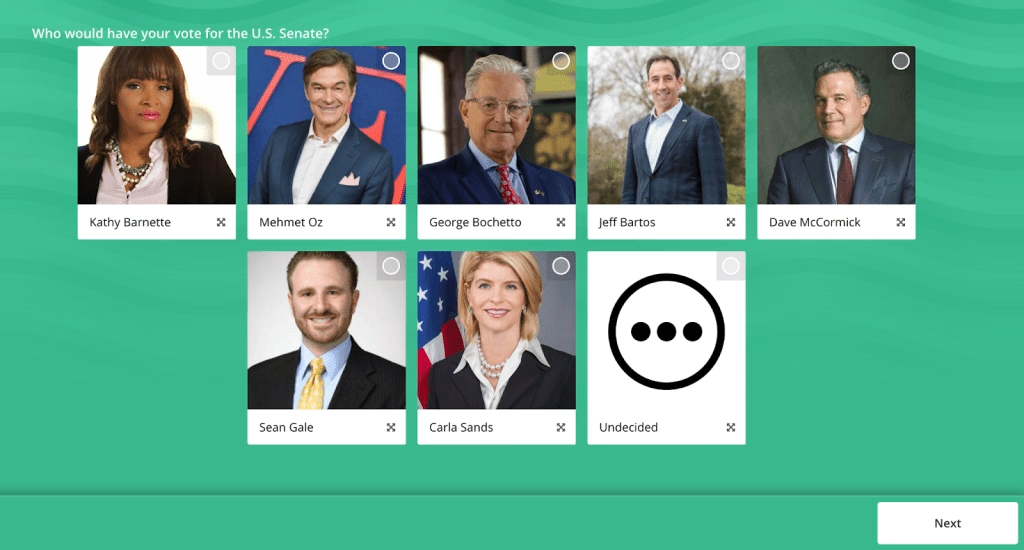
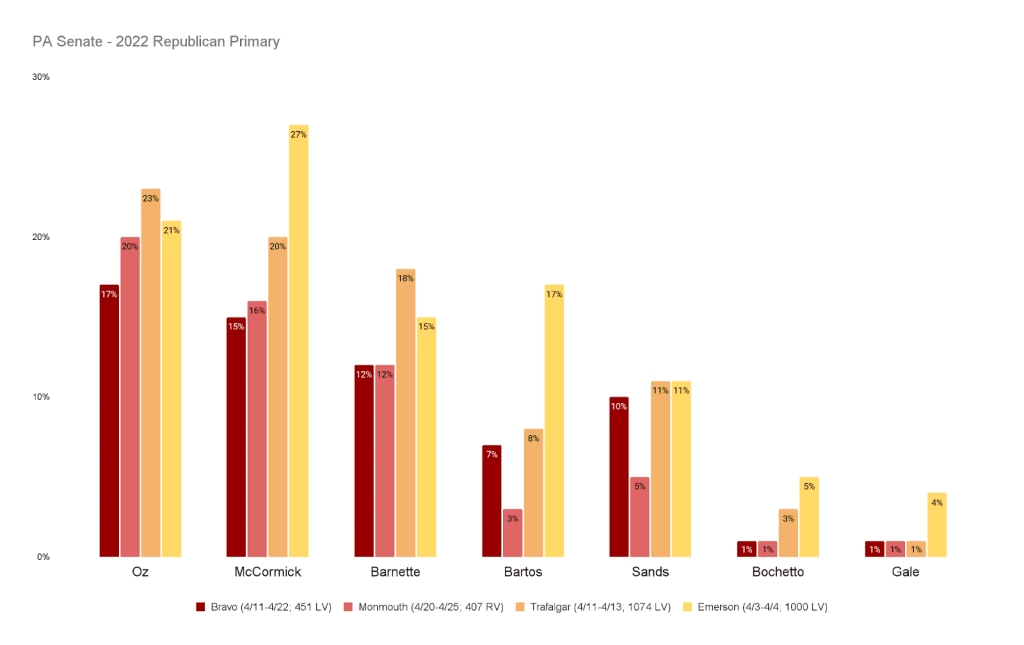
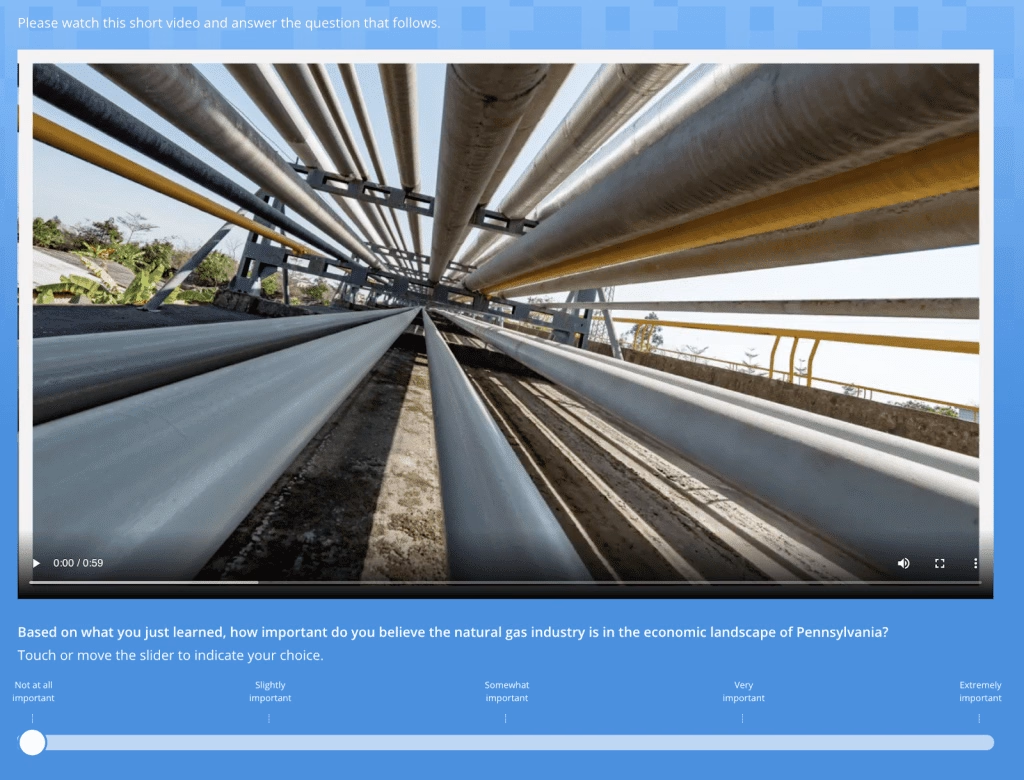
Our digital tool reaches people where they are, when they want, with visual examples and limitless questionnaire flexibility without sacrificing accuracy in results.
Engaging elements like video and pictures can explain concepts and open more possible question types than phone formats. Our platform can show, not tell, respondents what we’re asking. It avoids creating confusion over a complicated question structure or ambiguous wording. These resources are more engaging and lead not just to better question comprehension but ultimately higher response rates.
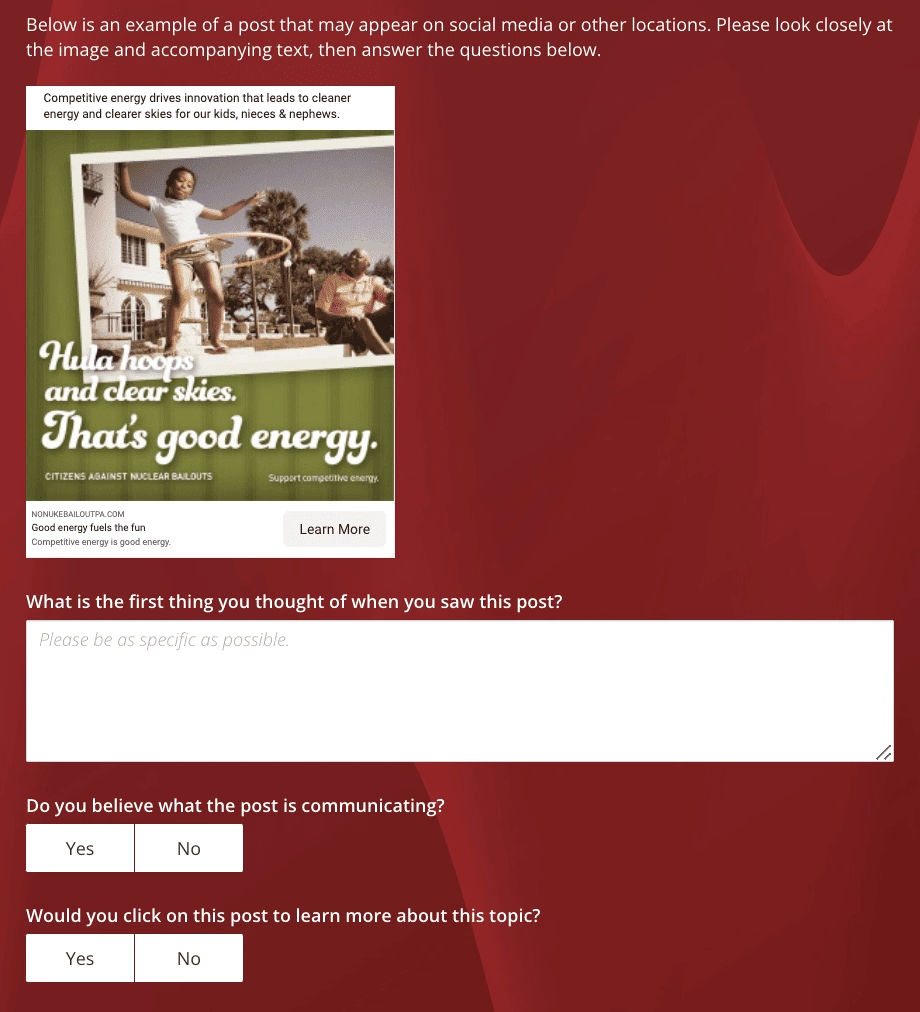
Many who can’t let go of the decades-old rules for phone surveys either haven’t considered or haven’t accepted that Americans have developed radically different habits in the digital era.
- The average attention span has shrunk to eight seconds, or one second shorter than that of a goldfish.
- Almost a quarter of American adults say they didn’t read a book in whole or in part in any format during all of 2020.
- Average users pick up their cellphone 1,500 times a week.
- Image-based apps continue to grow in popularity. Instagram has 2 billion monthly active users, TikTok has 1 billion, and Snapchat has 293 million.
If it’s not visual and it’s not snappy, it’s not going to fly with most of the people you want to question. Our digital survey tools are flexible and visual, and they aren’t hemmed in by the practices that need to be followed for landline surveys.
Successful marketing efforts demand innovative digital tools, not a retrofit of yesterday’s.
Enough about us. Tell us about yourself.
More perspectives.
All perspectives
Bravo Group/PennLive Launch Political Polling Partnership
Morning Scrapple offers monthly insights into Keystone State voters
2 min read

Leading the charge in digital polling
How people communicate has fundamentally changed, and the traditional method of gauging public opinion – through landline phone calls and personal interviews – has desperately needed revamping in response. Fewer people answer unknown numbers, own landlines, or answer the doorbell with strangers outside, and that’s caused a precipitous and steady decline in survey response rates...
4 min read

Bravo Group Brings Capitol Hill pro to DC practice
Drew Kent, a longtime chief of staff to a former Pennsylvania Congressman, has joined Bravo Group as its practice lead in Washington, D.C.
2 min read